

Funeral Procession Traffic Rules by State
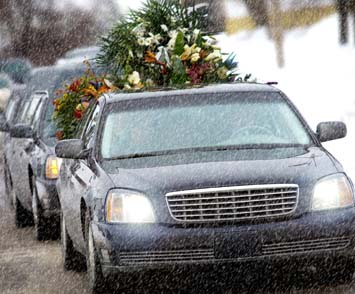
Funeral procession accidents happen because drivers either don't know the rules or ignore them.
Distracted driver crashes, rear-end accidents of vehicles following the hearse, cross traffic collisions at intersections when they pass through a red light.
The rules for a procession aren't always clear, and it can lead to confused collisions and injury.
Unraveling who is liable and at-fault after a wreck takes understanding of the specific traffic protocols for a funeral where the incident happened.
If the rules were violated it establishes negligence.
Your attorney will establish liability by comparing the facts of the incident with the specific traffic laws and funeral procession rules that govern the roadway.

Who's Liable When a Funeral Procession Crash Hurts Someone?
The Driver Who Broke the Line
Every state requires motorists to yield to funeral processions. A driver who cuts through the line, passes the lead vehicle, or ignores procession flags and headlights has violated traffic statutes and will likely be considered at fault for any resulting collision. If you fail to yield and it leads to a collision causing injury or death, it typically makes you liable for full damages.
The Funeral Home
Funeral directors have a duty to arrange safe procession of the deceased. a funeral home fails to provide proper signage, magnetic flags, or a qualified escort for a large procession, they share liability. They owe a duty of care to every vehicle in that line and may be held accountable for failures that lead to injury.
The Municipality
When police provide an official escort, they accept responsibility for traffic control along the route. Officers who abandon the procession mid-route, fail to block cross traffic at intersections, or provide insufficient coverage for the procession length may expose the city or county to liability.
The Escort Company
A private escort rider who causes a collision through reckless maneuvering or fails to control an intersection may expose the company to liability. Private escort companies are required to carry proper insurance and train their employees properly. Failures can lead to liability exposure when someone gets hurt.
Why Juries Hit Hard in Funeral Procession Injury Cases
The victim was already burying someone they loved. An additional wreck caused by a driver that adds physical trauma on top of that emotional grief is a hard hitting narrative that a jury won't ignore. When the at-fault driver showed willful disregard for a funeral procession, most insurers will seek to settle before it reaches a jury.
Common Funeral Procession Car Accidents That Cause Serious Injury
Funeral procession accidents follow predictable patterns. Same mistakes. Same preventable tragedies.
- Red light collisions: Cross traffic hits a procession vehicle lawfully following the hearse through an intersection
- Rear-end strikes: Distracted drivers slam into slow-moving procession vehicles on main roads
- Cemetery entrance pedestrian hits: Mourners struck while walking between parked cars near the burial site
- Cut-through crashes: Impatient drivers force their way through the procession line and sideswipe vehicles
- Escort motorcycle wrecks: Lead riders clipped by drivers who didn't see them blocking the intersection
Contact our experienced personal injury attorneys today to review your potential case right away.
What to Do If You Are Driving in a Funeral Procession
Whether you're attending a funeral procession as a family member, friend, or colleague, these key traffic protocols are essential to follow:
1. Maintain Bumper-to-Bumper Formation
When arriving at the church or funeral home, line your vehicle in a bumper-to-bumper formation. Stay close to the car in front throughout the procession. This prevents other drivers from cutting in, which can disrupt the convoy. In many states, overtaking or cutting into a funeral procession is a traffic violation that can result in a ticket.
2. Observe Safe Speeds
Funeral processions typically travel below posted speed limits, often around 30 to 40 mph on local roads and occasionally up to 55 mph on highways. Maintain your position and keep a safe distance from the car ahead while matching the procession's pace. Doing so helps prevent accidents and keeps pedestrians and other road users safe.
3. Follow Traffic Laws and Local Regulations
Funeral procession rules vary by state. Generally, the lead vehicle obeys all traffic lights and signs, while the following vehicles may continue through intersections once legally cleared. Turning on headlights or hazard lights signals participation. Always check local laws before attending and exercise caution, especially at intersections.
Respectful behavior is crucial: avoid using your phone, honking, or playing loud music, and observe proper funeral etiquette throughout the procession.
4. Use Hazard Lights
Hazard lights indicate your participation in the procession and are particularly important for the last car in line. They alert other drivers that the procession has ended and traffic may resume. Some participants also attach funeral flags to further signal the convoy's conclusion.
5. Yield to Emergency Vehicles
Even during a funeral procession, all drivers must yield to approaching emergency vehicles, including ambulances, fire trucks, police cars, and rescue units. Safety remains the top priority for everyone on the road.

If You Encounter A Funeral Procession
Vehicles in a funeral procession are generally granted the right of way. As a driver or pedestrian, it is your legal responsibility to respect this and allow the procession to proceed uninterrupted.
Here are key guidelines for encountering a funeral procession and observing proper etiquette:
1. Do Not Cut In
All vehicles and pedestrians must stop and allow the procession to pass completely, even if your light is green. Whenever possible, pull safely to the shoulder and wait until the procession has fully passed. Attempting to pass or overtake a funeral procession is both disrespectful and, in many states, illegal. Violating this rule can result in a traffic ticket for failure to yield. Never overtake on the right unless you are in the far-left lane and directed to do so by traffic authorities managing the procession. Cutting in to join the convoy is strictly prohibited and should always be avoided.
2. Wait for the Last Vehicle
The final vehicle in a funeral procession is often marked with hazard lights, funeral flags, or accompanied by a police car. These signals indicate that the procession is ending. Wait until the last vehicle has passed before resuming your route to ensure safety and proper respect for the convoy.
3. Be Courteous
Respect and courtesy are essential. Avoid honking, yelling, or making unnecessary noise while a procession passes. Demonstrating calm and polite behavior honors those attending the service and keeps the roadway safe for everyone.
Free Case Evaluation
FILL OUT THE FORM BELOW
TO REQUEST YOUR CASE REVIEW
Funeral Procession Accident Claims
Whether you are participating in a funeral procession or encountering one, you are expected to be constantly focused while on the road driving. This is mandatory, and in fact, some countries consider distracted driving a criminal offense. The driver has to be attentive on the road in any driving situation, even in the midst of a funeral procession.
Road accidents are truly preventable. However, incidents such as these may still happen during a funeral procession, especially if drivers neglect their due diligence. More so, when proper observance of traffic law and regulations is not done.
For example, yielding and giving the right of way to vehicles participating in a funeral procession are among the common rules and regulations implemented and observed. Abiding by this can significantly help avoid unfortunate car accidents and vehicle collisions.
More so, if you are part of the convoy of vehicles involved in the procession, maintaining your position in line at all times and observing the proper speed can also help prevent incidents such as pedestrian accidents.
While it is true that you cannot predict how other drivers on the road will behave, discipline can start with you.
But aside from being responsible for the lives of your passengers and other motorists and pedestrians on the road, proper observance of the law can also spare you hefty fines and charges and personal injury and negligence lawsuits.
Funeral Procession Crash Claims Reviewed Free
Funeral processions have been a tradition observed by most for years now. It's a great way to commemorate a deceased loved one. More so, a dignified way to bid them farewell before laying them to their final resting place.
Because these processions can take up a significant amount of time, more so a space on the road, traffic protocols and regulations are highly beneficial. They are set in place to create order and organization on the road while a procession is passing through. With that said, it's only important that both the participants and observers of a funeral procession familiarize themselves with these regulations and responsibly abide by them.
With the helpful guide indicated in this article, you can be better prepared and informed on traffic protocols for funeral processions. Keeping them in mind can certainly help you avoid and prevent road mishaps, as well as the nuances of getting charged with fines and lawsuits.
Free Case Evaluation
FILL OUT THE FORM BELOW
TO REQUEST YOUR CASE REVIEW
External Resources
Legal Representation
"Speak with our car accident attorneys for a free, confidential review of your potential claim. Past results vary based on the unique facts of each case."
Find out more >>